
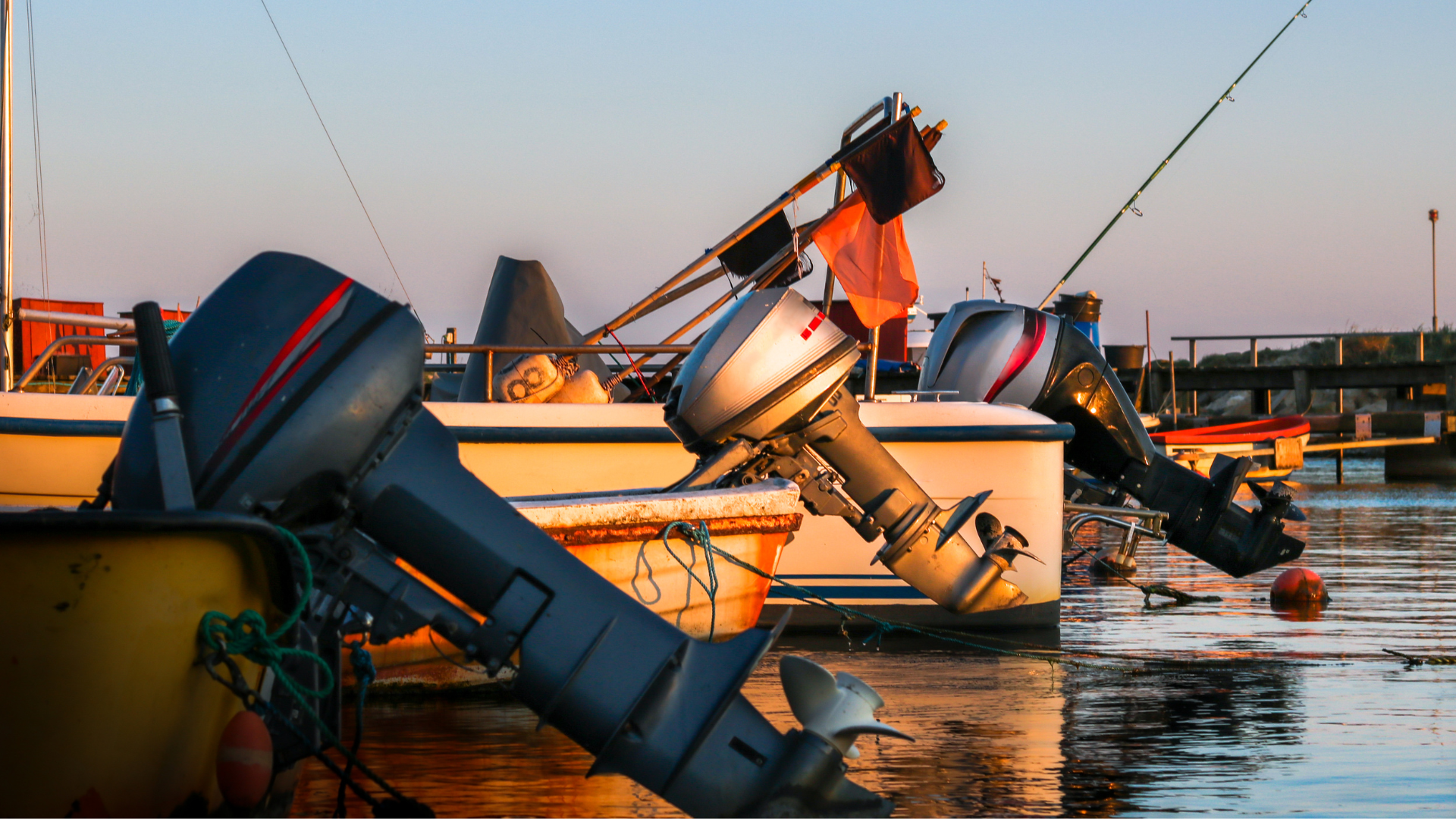
Electric Outboard Safety & Failure Modes (Explained Simply)
Electric outboards don’t fail in the same ways as petrol motors — and that difference matters.
Understanding how electric propulsion behaves when something goes wrong is key to using it safely, confidently and effectively.
This page explains how electric outboards fail, how that compares to petrol engines, and when electric outboards are — and are not — the right choice.
What Happens If an Electric Outboard Runs Out of Power?
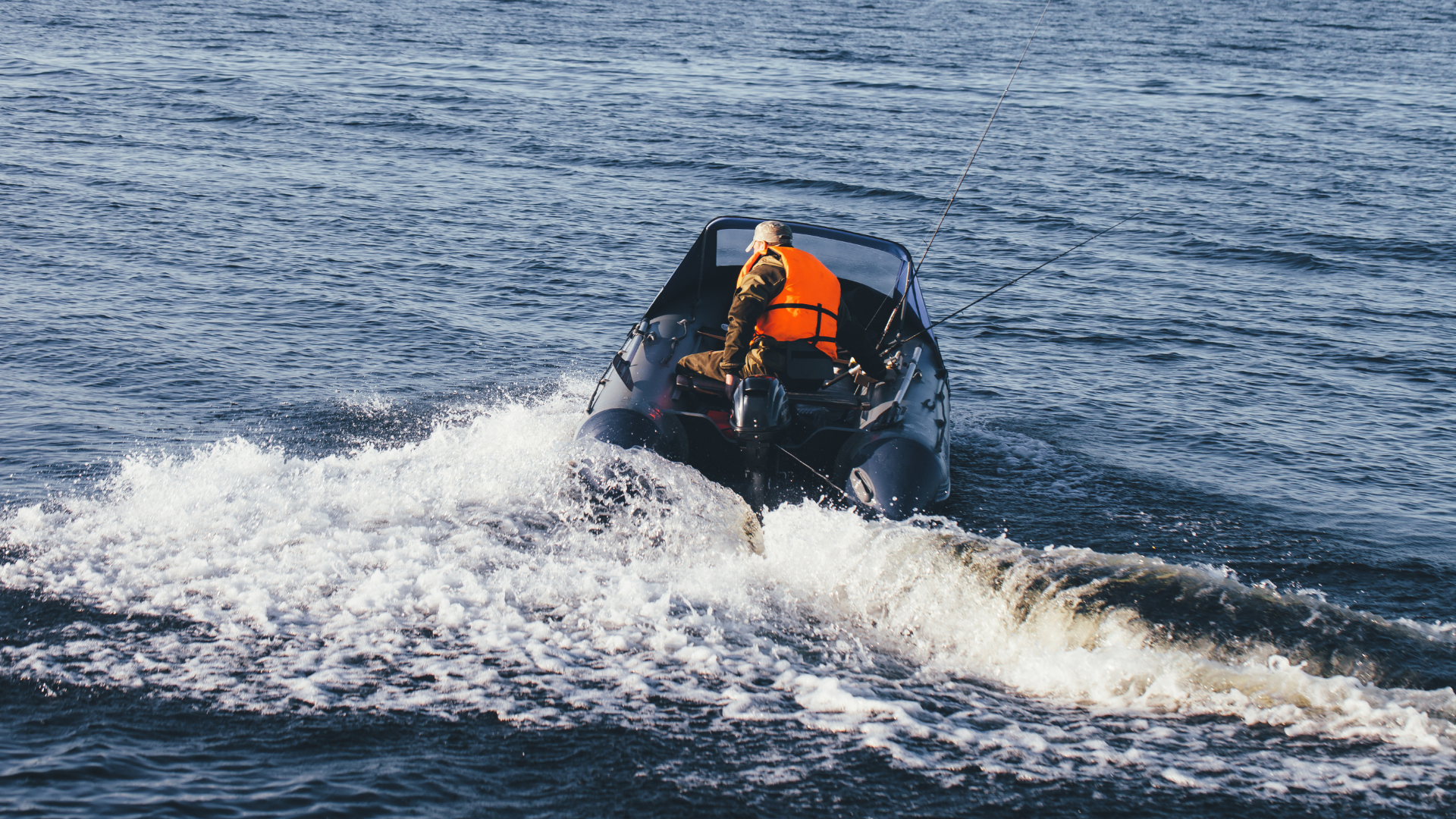
If an electric outboard’s battery is depleted, the motor stops. There is no limp-home mode.
While this can sound concerning at first, electric systems are fundamentally more predictable than petrol engines. With electric propulsion, remaining range is visible, power draw is consistent, and energy use can be planned in advance.
Petrol engines, by comparison, can:
- Run out of fuel unexpectedly
- Stall due to fuel contamination or carburettor issues
- Overheat or seize without warning
Electric outboards reward conservative planning. When operated with appropriate range margins, their behaviour is transparent and highly predictable.
How Electric Outboards Actually Fail
Electric outboards contain significantly fewer mechanical systems than petrol motors, reducing both failure points and the likelihood of catastrophic damage.
Common electric outboard failure modes include:
- Battery depletion due to extended high-power use
- Connector or cable damage
- Electronic shutdown triggered by thermal protection
- Water ingress caused by damage or incorrect installation
What electric outboards do not contain:
- Fuel systems
- Carburettors or fuel injectors
- Ignition systems or starters
- Gearbox oil systems
- Impellers that can overheat and cascade into engine failure
Most electric failures are non-destructive, diagnosable and repairable.
Safety Systems in Electric Outboards
Electric outboards rely on electronic monitoring rather than mechanical tolerances. Built-in protections typically include:
- Temperature monitoring
- Voltage and current limits
- Automatic shutdown to prevent damage
These systems prioritise equipment protection and user safety by stopping operation before permanent damage occurs.
Electric vs Petrol: A Safety Comparison
| Aspect | Electric Outboards | Petrol Outboards |
|---|---|---|
| Failure visibility | Predictable, measurable | Often sudden |
| Moving parts | Very few | Many |
| Fire risk | Low | Higher |
| Maintenance | Minimal | Frequent |
| Catastrophic failure | Rare | Possible |
Electric outboards fail cleanly. Petrol engines can fail expensively.
When Electric Outboards Are (and Aren’t) the Right Choice
Electric outboards are best suited to:
- Users who plan trips conservatively
- Short to medium-range boating
- Environmentally sensitive waterways
- Noise-restricted areas
They may not be suitable where:
- Long, high-speed operation is required without charging access
- Range planning is not possible
Understanding these differences ensures electric propulsion is used where it performs best.tion before permanent damage occurs.
A Different Kind of Reliability
Electric outboards replace mechanical complexity with clarity. When users understand how power, range and protection systems work, electric propulsion offers a highly reliable and confidence-inspiring experience on the water.

Interested?
Reach out and let us help your find the right outboard for you or check out our range.
 Rechargeable Boats